BitcoinDaniel RossApril 7, 20265 min read
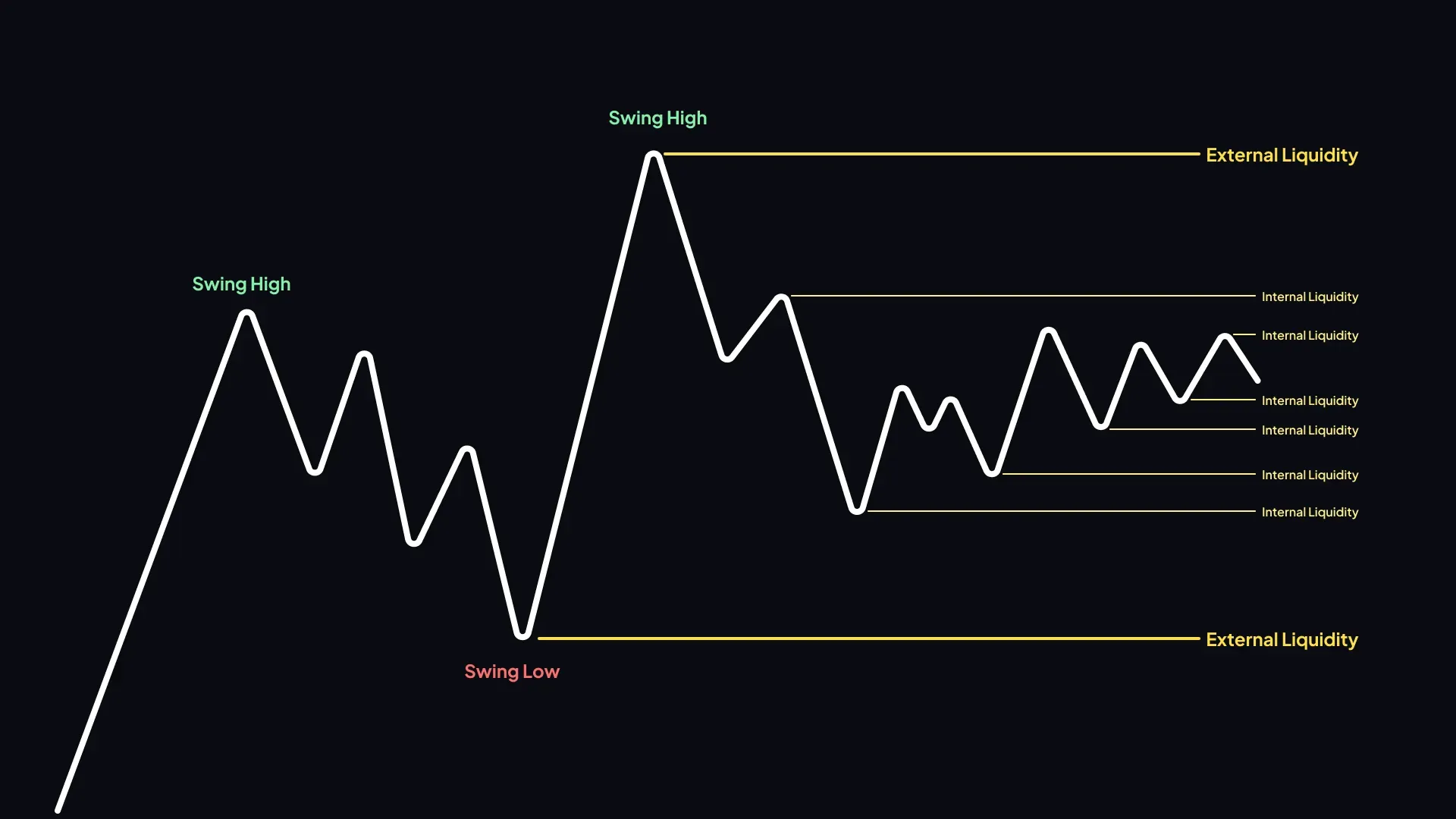
Low liquidity can exaggerate price moves. That does not mean the market is saying more than it really is.
Why it matters: Thin liquidity means there is not much resting depth to absorb buying or selling. Small orders can move price farther than beginners expect.
Keep reading

ExchangesMaya ChenApril 7, 20265 min read
Headline fee cuts sound simple, but the real cost of using an exchange still depends on spread, liquidity, and withdrawal terms.
Why it matters: The cheapest published fee is not always the cheapest actual trade. Beginners pay the total route, not the headline number alone.
Keep reading
RegulationLeo MartinApril 6, 20265 min read
The difference between a proposal, a comment period, an enforcement action, and a final rule matters more than the headline tone.
Why it matters: A loud policy headline often describes a stage in a process, not the final operating rules readers will actually face.
Keep reading
Market StructureDaniel RossApril 6, 20266 min read
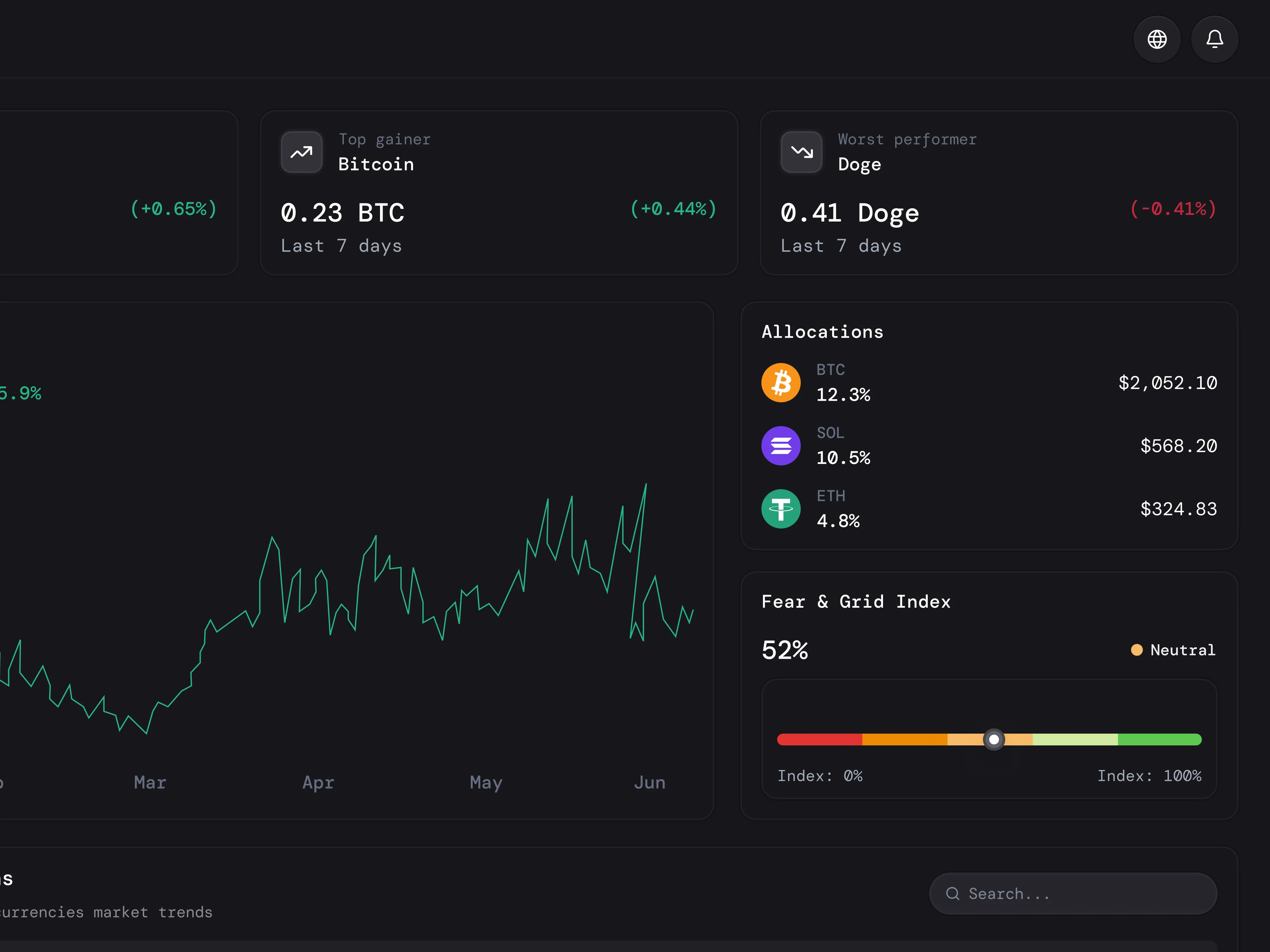
Reserve charts can offer useful clues about where assets are sitting, but they rarely tell a clean story on their own.
Why it matters: Reserve data is context, not a verdict. It becomes more useful when it is paired with price structure, liquidity, and the broader market mood.
Keep reading

Scam WatchNina ParkApril 5, 20266 min read
These scams do not usually begin with greed. They begin with stress, confusion, and a message that sounds like help.
Why it matters: The scam works by moving you away from official channels and into a private conversation where urgency can do the work.
Keep reading
Media LiteracyLeo MartinApril 5, 20265 min read
Good sourcing and clear attribution matter more than whether the headline sounds confident.
Why it matters: A confident tone is not evidence. A sourced statement tells you where the information came from and how much weight it deserves.
Keep reading